The Best Time to Visit Charleston, SC
A resident host's seasonal breakdown of weather, crowds, festivals, and pricing — so you can plan a trip that actually matches what you came for.
The Short Answer: Fall and Spring
One sentence: come in mid-October through mid-November, or mid-March through April. The weather is mild, the beaches are open, the humidity is manageable, and the city moves at a gentler pace than it does in July. Spring gives you azaleas, dogwoods, and festival season. Fall trades the flowers for cooler evenings and the best walking weather of the year.
The rest of this is the longer answer — the trade-offs between weather, crowds, price, and what you actually want to do here. Charleston has a real high season and a real off-season, and which one suits you depends on the trip you have in mind.
Spring (March to May): Peak Season, Peak Beauty
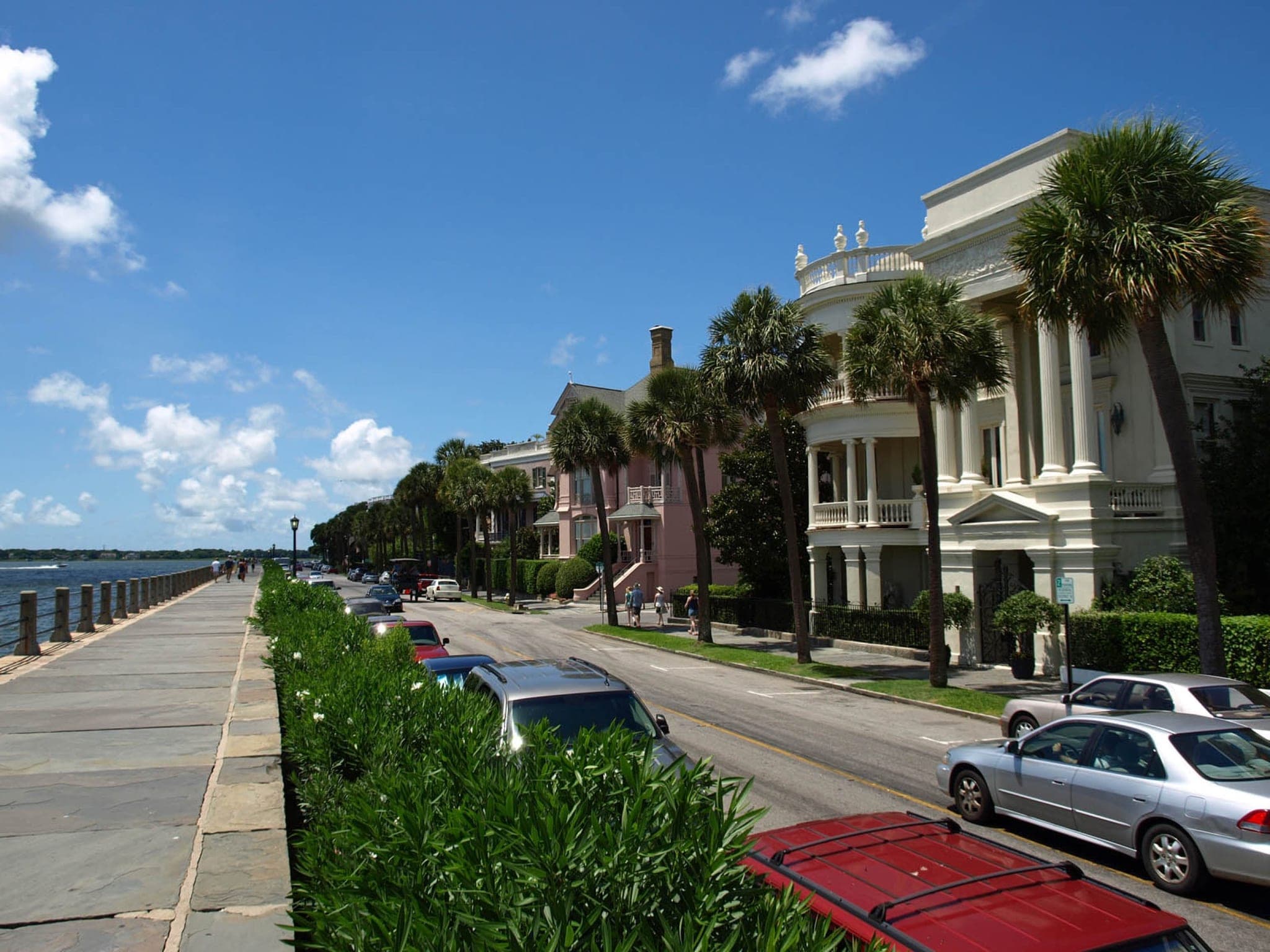
For most visitors, spring is the prettiest time of year here. Azaleas peak in late March and early April, dogwoods and wisteria follow, and the historic district is at its photogenic best. Daytime temperatures sit in the 70s, with cool mornings and warm afternoons. The ocean warms up enough to swim by late April, and the light across the Lowcountry has that soft, long quality photographers chase.
The trade-off is crowds and price. Hotels book months in advance, downtown restaurants want reservations well ahead, and nightly rates hit their peak. Spoleto Festival USA — the performing arts festival Charleston is known for — runs from late May into early June and piles on another wave of visitors. If spring is your target, book early.
One local warning: spring pollen. The pine pollen that coats every horizontal surface in late March and early April is not a minor thing. If you have allergies, plan around it. By late April the worst has passed.

Summer (June to August): Hot, Humid, and Full of Life
Summer isn't for everyone, but for the right traveler it's when Charleston shows off. If you came for the beach — Folly, Kiawah, Isle of Palms — summer is when the ocean is warmest, the days are longest, and the Lowcountry is at its greenest. Water sports, boat tours, kayaking, and long afternoons on the deck are all at their peak.
Then there's the heat. July and August regularly hit the low 90s with humidity on top, and summer afternoons often bring fast-moving thunderstorms. The city is built around all of this — almost everything is air conditioned, restaurants and bars have shaded patios, and the rhythm of a summer day here is early morning, a long break, then late evening. Embrace that rhythm and summer works beautifully. Fight it and you'll be miserable by 2 p.m.
Hurricane season runs June 1 through November 30, peaking in August and September. Direct hits are rare, but tropical systems passing nearby can mean a few days of rain and rough surf. Travel insurance is worth it for any late-summer or early-fall trip.
Fall (September to November): The Best-Kept Secret
Ask a local, quietly, and most will tell you fall is the best time to visit. Early September still carries summer heat and the tail of hurricane season, but by late September temperatures drop into the 70s and 80s, humidity fades, and the light sharpens. October and early November are the single best stretch of weather in the Charleston year — warm days, cool evenings, low humidity, and ocean water still warm enough to swim into mid-October.
Crowds ease after Labor Day and again after Columbus Day. Restaurants are easier to book, the historic district is walkable without being packed, and nightly rates soften compared to spring. The Charleston Food + Wine Festival is in early March, but fall has its own calendar of oyster roasts, farm dinners, and smaller neighborhood events that locals actually attend. It's the season Charleston feels most like itself.
If you're flexible on dates and want the best overall trip — the weather, the value, the pace — aim for the three-week window from mid-October through the first week of November.
Winter (December to February): Mild, Quiet, and a Real Value
Winter is underrated. Daytime highs sit in the 55 to 65 range, frost is rare, snow is essentially nonexistent. The city thins out after New Year's and stays quiet through February — the single best window for a relaxed, romantic, or budget trip. You can walk into most restaurants without a reservation, rates are at their lowest, and the downtown Christmas lights through early January really are something.
The catch: the beach is for walking, not swimming. Ocean temps in January hover in the mid-50s. But if your trip is really about food, architecture, long walks through the historic district, fireplaces, and slow evenings, winter is a quiet gift.
If you're eyeing a winter stay at Charleston Treehouse, the place is fully insulated and heated, and the covered deck makes early-morning coffee viable even on a cold morning. Winter is one of our favorite seasons on the property — the marsh light is dramatic and the wildlife viewing is at its best.
Charleston Weather, Month by Month
A brief, honest summary of what to actually expect:
January:45–60°F, occasional rain, mostly quiet. Best month for a peaceful, inexpensive trip. February: 50–65°F, similar to January with longer afternoons. March:55–70°F, spring starts mid-month, pollen arrives. April: 60–75°F, azaleas peak, prices rise. May:65–80°F, warm and beautiful, Spoleto begins late month. June:70–87°F, summer arrives, beaches busy. July:75–92°F, hot and humid, afternoon storms. August:75–92°F, similar to July, peak hurricane watch. September:70–85°F, crowds fade, weather still warm, hurricane risk peaks early month. October:60–80°F, arguably the best month of the year. November:50–70°F, cooler but still comfortable, quiet in the historic district. December:45–65°F, holiday decorations, mild but cool.
Best Time by Trip Type
Beach trip: Late May through mid-October. Water temperatures support swimming, and the beaches at Folly Beach and Kiawah Island are in full use.
Food and historic district: October, November, February, and March. Easier reservations, better walking weather, and the restaurants feel less rushed.
Weddings and photography: Late March through early May, and mid-October through early November. These are the prettiest windows and also the most booked.
Budget-conscious travel: January, early February, and the middle two weeks of December (before holiday week). Rates across the board are at their lowest, and the city is still fully open for business.
Romantic getaway: Late October through early November, or February. Cool enough for fireplaces and long evenings, quiet enough to feel like you have the place to yourself. See our full Charleston romantic getaway guide for specific recommendations.
One Local Note on Johns Island
Charleston Treehouse is on Johns Island, about 15 minutes from the historic district. The island runs noticeably cooler in summer — tree cover and marsh breezes make a real difference — and winter sunrises across the marsh are one of the real perks of staying outside downtown. If you're deciding between the city and something quieter, Johns Island in October or March is the closest thing we have to a perfect visit.
Plan Your Charleston Stay
Charleston Treehouse is a private treehouse vacation rental on Johns Island — open year-round, with the season visible from every window. Whichever month you choose, the marsh view comes with it.
Check Availability